







How to Give a Neck Massage: Safe & Effective Relief at Home
Introduction: Why Learning How to Give a Neck Massage Matters
Neck pain is one of the most common problems among desk workers, athletes, and seniors. In our digital age, countless hours hunched over computers and smartphones have made neck discomfort a near-universal experience. It's no wonder that so many people search "how to give a neck massage" when they're looking for fast, drug-free relief.
The benefits of a good neck massage extend beyond simple pain relief. When performed correctly, it can reduce stress, improve sleep quality, and even enhance concentration. The magic formula is simple: good neck massage equals pain relief plus stress reduction plus better sleep.
You don't need to be a professional therapist to help someone feel better with a neck massage. With proper guidance, anyone can learn effective techniques that provide meaningful relief. This guide will walk you through everything you need to know about giving a safe and effective neck massage at home.
Understanding the Neck: Muscles You're Actually Massaging
To massage effectively, it helps to understand what's under your hands. The neck contains several key muscle groups that respond well to massage:
- The trapezius is the large diamond-shaped muscle that extends from the base of your skull down to the middle of your back and across your shoulders. This muscle often bears the brunt of stress and poor posture.
- The sternocleidomastoid (SCM) runs along the front and sides of your neck from behind your ears to your collarbone. You can feel it when you turn your head from side to side.
- Surrounding the cervical spine (the seven vertebrae in your neck) are smaller muscles that help with fine movements and stability. These are particularly prone to tension when we're stressed or sitting for long periods.
Our necks are especially vulnerable to tension for several reasons. Long hours at a desk, especially with improper ergonomics, can cause muscles to tighten and shorten. The "tech neck" phenomenon—constant looking down at phones and tablets—has created an epidemic of neck muscle tension. Additionally, stress often manifests as shallow breathing and shoulder hunching, which further contributes to neck stiffness.
Understanding these basic structures helps you target your massage where it will be most effective for neck muscle tension and stiff neck relief.
Safety First: When You Should (and Shouldn't) Massage the Neck
Before touching someone's neck, it's important to know when massage is appropriate and when it might be harmful. This isn't about creating fear but about making informed choices.
Neck massage is generally safe for:
- Mild stiffness that comes from poor posture or stress
- Tension related to muscle fatigue or overuse
- General stress-related neck tension
- Post-workout muscle tightness (for athletes)
However, there are times when you should avoid neck massage:
- If there's been a recent neck injury (like whiplash)
- When someone has a herniated disc or pinched nerve
- With severe inflammation, swelling, or fever
- If there's numbness, tingling, or shooting pain
- Following certain medical procedures or surgeries
When in doubt, it's always best to consult a healthcare provider before massaging someone with persistent or severe neck pain.
How to Give a Neck Massage: Step-by-Step Techniques
Now for the core of our guide: how to give a neck massage that actually works. Follow these steps for the best results.
Step 1: Prepare the Body Start by ensuring comfort. The person receiving the massage should be seated in a stable chair with good back support. Their shoulders should be relaxed, not hunched up toward their ears. You might want to place a small pillow behind their lower back for additional support.
Warm your hands by rubbing them together or using a warm compress. Cold hands can be jarring and cause muscles to tense up rather than relax.
Step 2: Start with Gentle Warm-Up Begin with light, flowing strokes called effleurage. Use the entire surface of your hands to make long, smooth strokes from the base of the skull down to the top of the shoulders. This helps warm up the tissues and prepares the muscles for deeper work.
Maintain a slow, rhythmic pace—about one stroke per second. This rhythm helps calm the nervous system and signals the muscles to begin releasing tension.
Step 3: Kneading for Deep Relief Once the muscles are warmed up, you can move to kneading techniques. Use your thumbs and palms to gently lift and roll the muscles, working along the muscle fibers rather than across them.
For the trapezius muscle, use your thumbs to make small circles along the top of the shoulder and the base of the skull. Apply steady pressure but never press directly on the spine itself—always work on the muscles to either side.
Step 4: Pressure & Trigger Point Release For specific areas of tension, you can use trigger point techniques. Apply steady pressure with your thumb or fingertips to a tense spot for 5-10 seconds, then slowly release. Ask the person receiving the massage about the pressure level—it should be uncomfortable but not painful.
Remember that when learning how to massage neck pain effectively, less is often more. It's better to use moderate pressure consistently than to press too hard too quickly.
Common Mistakes People Make When Giving a Neck Massage
Even with good intentions, it's easy to make mistakes that can make neck massage less effective or even uncomfortable. Here are the most common errors to avoid:
Applying too much pressure too quickly is perhaps the most frequent mistake. Many people think that "more pressure equals more relief," but this can actually cause muscles to tense up defensively. Start light and gradually increase pressure only if the recipient requests it.
Massaging the spine directly is another error. The vertebrae themselves don't benefit from massage and pressing on them can be uncomfortable or potentially harmful. Always work on the muscles to either side of the spine.
Ignoring pain feedback is a serious mistake. While some discomfort is normal during deep tissue work, sharp or shooting pain is a signal to stop immediately. Always check in with the person receiving the massage about their comfort level.
Rushing through the process undermines many of the benefits of massage. Neck tension builds up gradually, so it makes sense that releasing it also takes time. Allow for a full 10-15 minutes rather than rushing through in just a couple of minutes.
How Long Should a Neck Massage Last?
For optimal results, aim for 10-15 minutes per neck massage session. This duration is long enough to address tension but not so long that it causes fatigue or irritation.
Interestingly, short daily sessions are generally more beneficial than long occasional ones. A consistent 5-minute neck massage each day can do more to prevent chronic tension than a single 30-minute session once a week.
This is because consistency helps retrain muscle memory and prevents tension from building to problematic levels. The frequency of your neck massage matters more than the strength of your technique.
Can Massage Tools Improve Neck Massage Results?
While your hands are excellent tools for massage, they have limitations. It's difficult to maintain consistent pressure with manual techniques, and fatigue can set in, especially during longer sessions.
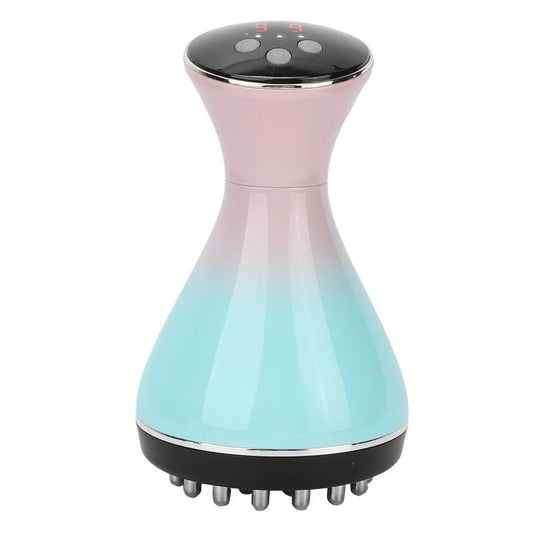
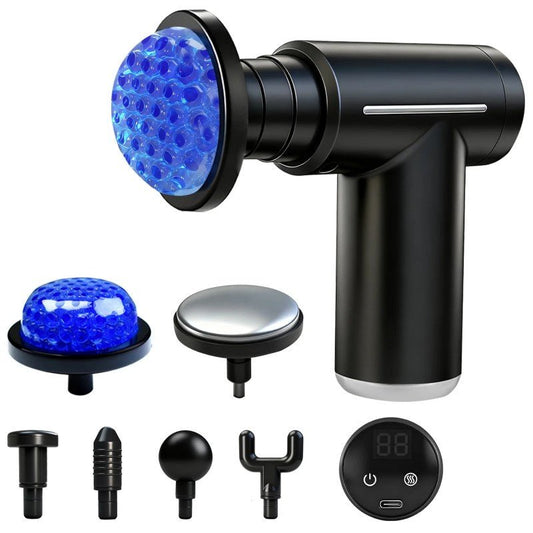
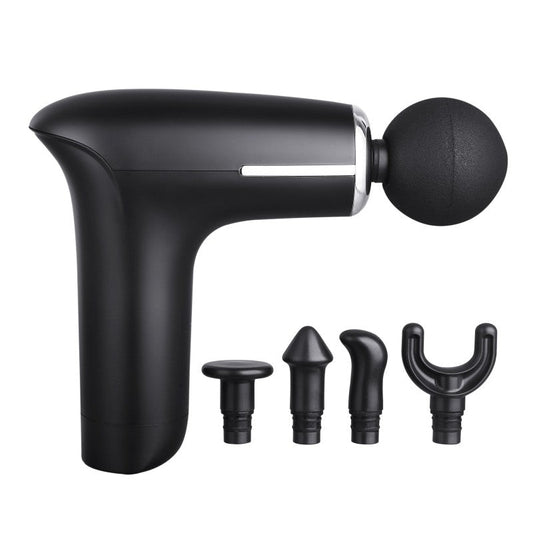
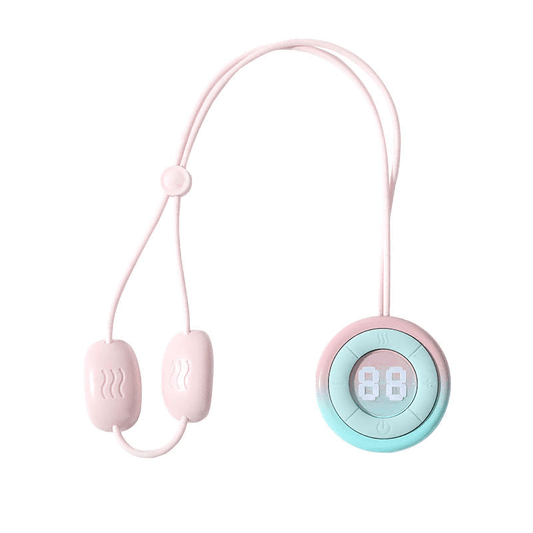
Modern massage tools can address these limitations. Many devices offer vibration that helps relax muscles more deeply than manual techniques alone. Others incorporate heat therapy, which further enhances muscle relaxation.
The ergonomic design of specialized tools can also help you apply pressure more precisely and consistently than with your hands alone. This is particularly helpful for reaching difficult areas like the base of the skull.
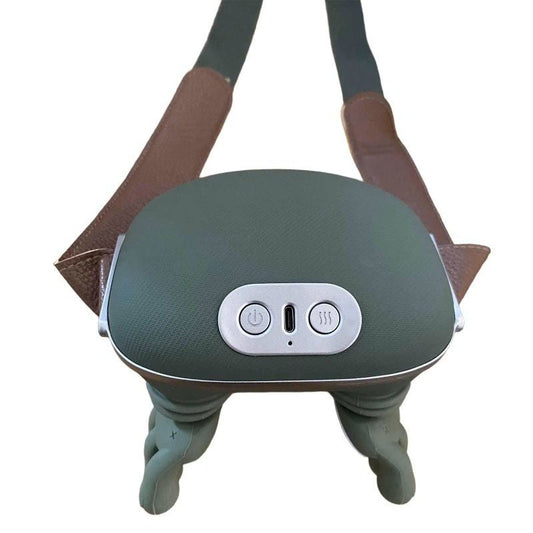
When considering neck massage devices, look for ones that offer adjustable intensity levels and comfortable, body-contoured designs. A heated neck massager can be especially beneficial for chronic tension, as the heat helps increase blood flow to the area.
Modern Neck Massage Devices: When Technology Helps
Heat therapy has become a popular component of neck massage for good reason. When applied properly, heat can significantly improve the effectiveness of neck massage by relaxing muscles faster and improving circulation.
The warmth helps increase blood flow to the treated area, bringing more oxygen and nutrients while carrying away metabolic waste products. This is why many people find that heated neck massagers provide faster relief from stiffness.
Vibration technology offers different benefits compared to manual massage. Vibrations provide more even stimulation across a broader area, which can be particularly helpful for larger muscle groups like the trapezius.
Modern vibration devices typically offer adjustable intensity levels, allowing users to customize their experience. This adjustability makes them suitable for different types of neck pain and for various sensitivity levels.
For long-term use, many people find that massage tools are more sustainable than manual techniques alone. They don't get tired, can maintain consistent pressure, and can be used more frequently without requiring assistance from another person.
Companies like Ecozy have developed ergonomic neck and back massage solutions designed specifically for long-term comfort and recovery. These products often combine multiple technologies—heat, cold,vibration, sometimes even music or guided relaxation—to provide a comprehensive approach to neck care.
Who Benefits Most from Regular Neck Massage?
While almost anyone can benefit from neck massage, certain groups particularly stand to gain from regular practice:
Office workers are perhaps the most obvious beneficiaries. Hours spent hunched over computers, often with poor ergonomics, make desk workers particularly prone to neck tension. Regular neck massage can counteract these effects and may even improve productivity.
Athletes, especially those in sports that involve repetitive motions or impact (like swimming, cycling, or tennis), often develop neck tension as compensation for other areas of tightness. For them, neck massage can improve performance and reduce injury risk.
Seniors frequently experience neck stiffness due to arthritis, decreased flexibility, and years of postural habits. Gentle neck massage can help maintain mobility and reduce pain without medication.
Drivers—especially those who spend long hours on the road—often develop neck tension from holding the same position and focusing on the road. A quick neck massage during rest stops can make long journeys more comfortable.
People with stress-related tension often unconsciously hold stress in their neck and shoulders. For these individuals, neck massage provides both physical relief and a mental break from stress.
Final Thoughts: Mastering How to Give a Neck Massage
Learning how to give a neck massage is a practical life skill that can bring relief to yourself and others.
Remember that technique matters more than strength. A gentle, consistent massage will always be more effective than a forceful, hurried one. Pay attention to the person's feedback and adjust your approach accordingly.
While modern tools can enhance results, they're completely optional. The human touch has benefits that technology can't replicate, particularly in terms of connection and intuitive response to the recipient's needs.
Whether by hand or with modern massage tools, neck care should be part of daily wellness. In our screen-filled, stress-filled world, taking time to care for our necks is an investment in overall health and quality of life.
FAQ
How often should you give a neck massage?
For general maintenance, a 5-10 minute neck massage 2-3 times per week is sufficient. If you're dealing with acute pain or stiffness, daily massages may be beneficial until symptoms improve.
Is neck massage good for headaches?
Yes, many tension headaches originate in the neck and shoulder muscles. Regular neck massage can help prevent these headaches by releasing tension that contributes to headache pain. For existing headaches, gentle neck massage often provides relief.
Can neck massage help with stress?
Absolutely. The neck and shoulders are primary areas where we store stress. Massage in these areas not only relieves physical tension but also sends calming signals to the nervous system, helping to reduce overall stress levels.
Is heat better than vibration for neck pain?
Both heat and vibration can be effective for neck pain, but they work differently. Heat is particularly good for relaxing tight muscles and improving circulation, while vibration helps to reduce muscle spasms and can provide deeper tissue stimulation. Many people find that combining both approaches offers the most relief.
Can you massage your own neck safely?
Yes, you can safely massage your own neck, but there are limitations. You won't be able to apply the same amount of pressure or reach all areas effectively as you could with help from someone else. Focus on gentle techniques, and avoid any movements that cause pain. For self-massage, tools can be particularly helpful for reaching difficult areas.