







Why CE Certification Matters for Your Massage Gun Business
Introduction: The Hidden Cost of Cutting Corners

What is CE Certification? Understanding the Mark That Matters
The Rigorous Testing Behind CE Certification
The testing process for the B190 included:

Ecozy's CE Certification Portfolio: More Than Just One Product
While the B190 is an excellent example of CE certification, it's important to understand that Ecozy's commitment to compliance extends far beyond a single product.
Our CE-certified portfolio covers a wide range of massage and recovery devices, including A090, B012, B025/28, B029, B190, B260, B270, B310, B330, B360, B510, C060, E011, E200, L100, L130, and P060 — totaling 17 models across multiple product lines.
Each of these products has successfully passed the rigorous CE testing process, covering electrical safety, electromagnetic compatibility, and health protection standards required by the European Union.
In total, Ecozy has achieved CE certification for 17 product lines, with each device undergoing detailed technical documentation, performance validation, and third-party testing. This isn't a one-time achievement—maintaining CE compliance requires ongoing quality control, documentation management, and periodic re-testing to ensure continued conformity with evolving EU regulations.
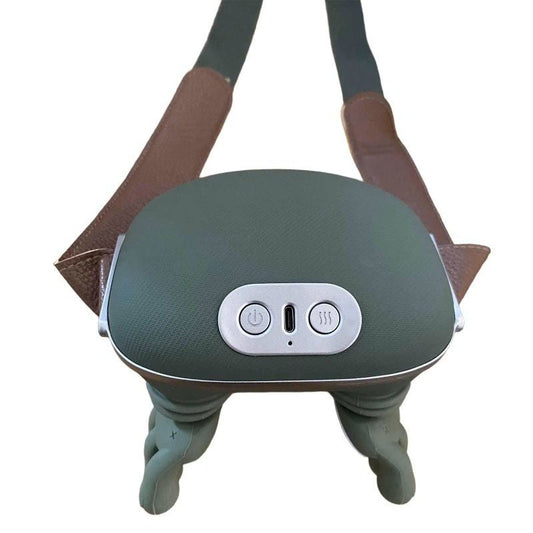
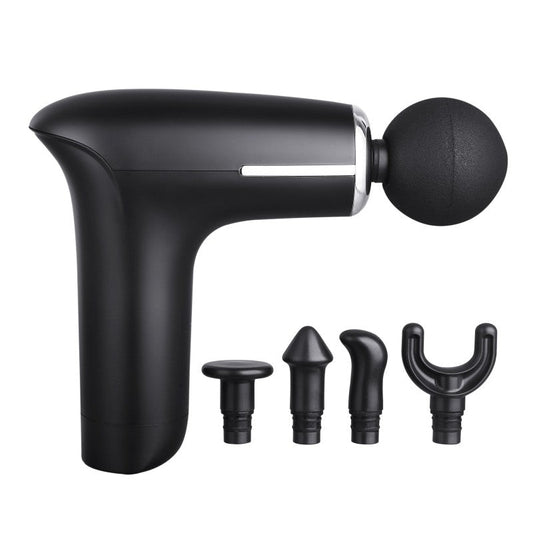
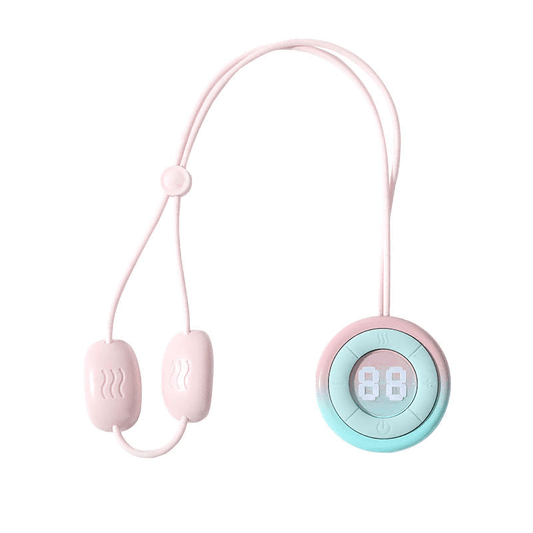
Our dedication to certification ensures that every Ecozy device, from massage guns to heating and recovery belts, meets the safety and quality expectations of global partners and end users alike.
The Real Cost of CE Certification: Why Quality Comes at a Price
Here's a question that often comes up in B2B negotiations: Why does Ecozy's pricing seem higher than competitors who offer similar-looking products?
The answer lies in understanding the true cost of CE certification and the quality infrastructure that supports it.
Testing and Certification Costs represent the most obvious expense. A comprehensive CE certification for a new product can cost $5000 to $50,000 or more, depending on the complexity of the device and the number of applicable directives. For a product like the B190, which requires both LVD and EMC testing, the costs are on the higher end of this range. These are one-time costs per product model, but they add up quickly when you're maintaining a diverse product portfolio.
Product Design and Engineering must account for compliance from the ground up. This means investing in engineers who understand European standards, conducting design reviews to identify potential compliance issues, and often redesigning components to meet safety requirements. A non-compliant manufacturer might use a cheaper power supply or simpler circuit design, but Ecozy invests in components that are specifically selected for safety and reliability.
Quality Control and Manufacturing must be significantly more rigorous for certified products. Every production batch must be monitored to ensure it matches the specifications that were tested and certified. This requires trained quality control personnel, testing equipment, and documentation systems. A non-certified manufacturer might skip these steps, reducing costs but increasing the risk of product failures.
Documentation and Compliance Management is an ongoing requirement. CE certification requires maintaining detailed technical files, test reports, design documentation, and manufacturing records. This documentation must be available for inspection by regulatory authorities and must be updated whenever the product is modified.
Liability and Insurance costs are higher for certified manufacturers. Because CE certification comes with legal liability, manufacturers must carry appropriate insurance and maintain reserves for potential recalls or legal claims. Non-certified manufacturers operating in gray markets don't have these costs, but they also don't have legal protection.
When you add all of these costs together, it becomes clear why CE-certified products cost more. But this higher cost translates directly into lower risk for your business. You're not just buying a product; you're buying legal compliance, market access, and protection against recalls and legal liability.
 The Competitive Advantage: Certified vs. Non-Certified Manufacturers
Let's be direct: there are manufacturers in the market who produce massage guns that look similar to certified products but have never undergone CE certification. They can offer lower prices because they've skipped the testing, documentation, and quality control steps that legitimate manufacturers must follow.
But this creates a dangerous situation for B2B buyers:
- Legal Exposure is the most serious risk. If you import or sell a non-certified product in the European Union and it causes harm to a consumer, you could face legal liability. The EU takes product safety seriously, and regulatory authorities conduct market surveillance to identify non-compliant products. Penalties can include product seizures, fines up to 10% of annual turnover, and even criminal charges in serious cases.
- Market Access Restrictions mean that non-certified products can be removed from the market at any time. If you've invested in inventory of non-certified products, you could face sudden losses if regulatory authorities demand a recall.
- Insurance and Warranty Issues arise because many insurance policies and warranty programs specifically exclude non-certified products. If a customer is injured by a non-certified product, your insurance might not cover the claim.
- Brand Reputation Damage can be severe. If your brand becomes associated with non-compliant or unsafe products, it can take years to rebuild customer trust.
- Customer Confidence is higher when you can point to third-party certification. B2B customers—whether they're retailers, distributors, or OEM partners—want to know that their suppliers are serious about compliance and quality.
In contrast, when you partner with Ecozy, you're partnering with a manufacturer that has invested heavily in compliance infrastructure. Our CE certifications are not just badges on a website; they represent thousands of hours of engineering, testing, and quality control. When you sell Ecozy products, you can confidently tell your customers that these devices have been tested and certified to meet the strictest European safety standards.
What CE Certification Means for Your B2B Business
If you're a distributor, retailer, or OEM partner considering Ecozy as a supplier, CE certification should be a key factor in your decision-making process.
- Market Entry and Expansion becomes possible with certified products. If you're looking to expand into European markets, you need products that are already CE-certified. Ecozy's certified portfolio means you can enter these markets without the delay and expense of getting products certified yourself.
- Reduced Compliance Risk is a major advantage. When you source from a certified manufacturer, you're transferring much of the compliance burden to the supplier. Ecozy has already done the testing and documentation; you can focus on sales and customer service.
- Stronger Negotiating Position with retailers and distributors comes from being able to offer certified products. Major retailers increasingly require suppliers to provide proof of compliance. With Ecozy's certifications, you have documentation that satisfies these requirements.
- Premium Pricing Justification becomes easier when you can explain the value of certification to your customers. Consumers are increasingly aware of product safety and are willing to pay more for products that have been independently tested and certified.
- Long-term Partnership Value increases when you work with a manufacturer that takes compliance seriously. Ecozy's investment in certification infrastructure means we're committed to the European market for the long term, not just looking for quick profits.
 The Broader Picture: Quality as a Competitive Strategy
Ecozy's approach to CE certification is part of a broader quality strategy that extends beyond regulatory compliance. Our company maintains 86 patents across product design, manufacturing processes, and innovative features. We operate a 14,000 square meter manufacturing facility with advanced quality control systems. Our R&D team continuously works to improve product safety and performance.
This commitment to quality is reflected in our certifications. Beyond CE certification, our products have achieved ROHS compliance (ensuring no hazardous substances), REACH certification (for chemical safety), FCC certification (for wireless devices), and CB certification (international safety standard recognition). This multi-layered approach to compliance demonstrates that quality is not an afterthought at Ecozy—it's embedded in our DNA.
Conclusion: Why CE Certification Matters More Than You Might Think
CE certification is not just a regulatory checkbox. It represents a manufacturer's commitment to safety, quality, and compliance. When you choose Ecozy as your supplier, you're choosing a partner that has invested significantly in meeting the highest international standards.
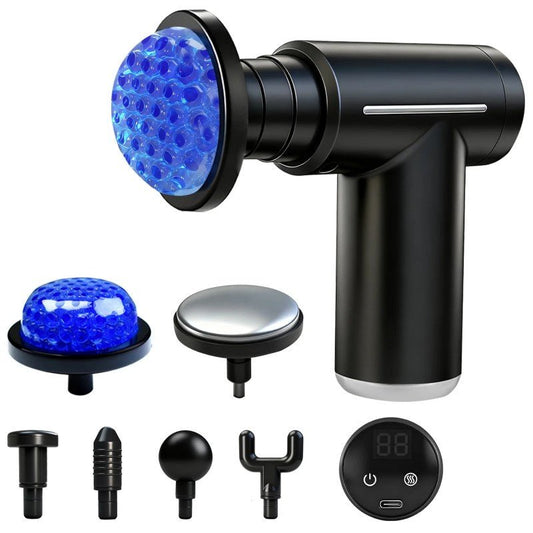
The B190 Pocket Fascia Gun, with its comprehensive CE certification, is just one example of how Ecozy translates this commitment into products that your customers can trust. Whether you're a distributor looking to expand into European markets, a retailer seeking premium products to differentiate your brand, or an OEM partner looking for a reliable supplier, Ecozy's CE-certified products offer the compliance assurance and quality you need.
In a market where corners are often cut and shortcuts are common, choosing a CE-certified manufacturer isn't just the smart business decision—it's the responsible one. It protects your customers, protects your business, and positions you as a serious player in the global health and wellness market.
Ready to partner with a manufacturer that takes quality seriously? Contact Ecozy today to learn more about our CE-certified product portfolio and how we can support your business growth in the European market and beyond.