






What Is TENS? How a TENS Unit Works and What to Expect
TENS stands for transcutaneous electrical nerve stimulation. Put simply, it is a non-invasive method that uses a compact, battery-powered device to send mild, low-voltage electrical pulses through the surface of the skin. Those gentle currents stimulate sensory nerves in a targeted area—such as the neck, shoulders, or lower back—to help ease everyday muscle tension and temporary discomfort without medication.
Once restricted mostly to physical therapy clinics, TENS technology now appears across a wide range of home wellness hardware, from classic wired pad units to sleek, cordless wearables. Here is a practical breakdown of how TENS actually works, what it feels like on the skin, and what sets a well-built device apart.
Key Takeaways
- Simple Definition: TENS delivers mild, low-voltage electrical currents through the skin to stimulate sensory nerves and help soothe localized discomfort.
- Two Common Hardware Formats: Traditional units connect a pocket controller to disposable sticky gel pads via thin wires, while modern wearable designs integrate floating conductive heads and heat into a single cordless collar or wrap.
- Comfortable Sensory Feel: A properly adjusted session feels like a steady tingling, buzzing, or rhythmic tapping sensation—never sharp or painful.
- Supportive Rather Than Curative: TENS is widely used for temporary comfort and relaxation, though clinical outcomes vary by individual and condition.
- Hardware Design Matters: Pulse smoothness, skin-contact stability, and ergonomic fit determine whether a TENS device feels soothing or harsh in daily use.
What Is TENS?
The full name—transcutaneous electrical nerve stimulation—sounds clinical, but each word describes a straightforward part of the process:
- Transcutaneous simply means passing through the skin, rather than using needles or implanted hardware.
- Electrical refers to the low-voltage micro-pulses generated by a small rechargeable or battery-powered circuit.
- Nerve stimulation points to the target: surface-level sensory nerves right beneath the contact pads.
As explained in patient guidance from the NHS and the Cleveland Clinic, TENS is understood to calm discomfort in two ways. During a session, the steady stream of mild sensory pulses keeps nerve pathways busy, reducing how strongly pain signals travel to the brain (often called the "gate control" effect). At the same time, rhythmic stimulation can prompt the body to release endorphins—its own natural pain-relieving chemicals.

What Does a TENS Unit Usually Include?
While all TENS devices share the same core electronics, their physical layout usually follows one of two formats depending on how and where they are meant to be used:
- Controller and Pulse Generator: The internal circuit board and control buttons that let users switch modes, set session timers, and step intensity up or down.
- Battery System: Either standard replaceable batteries in basic clinical boxes or a built-in USB-rechargeable lithium battery in portable consumer units.
- Skin-Contact Electrodes: Traditional TENS kits use thin lead wires connected to replaceable, self-adhesive gel pads that stick flat against the skin. Because the hydrogel layer dries out over time, sticky pads are consumables that require periodic replacement.
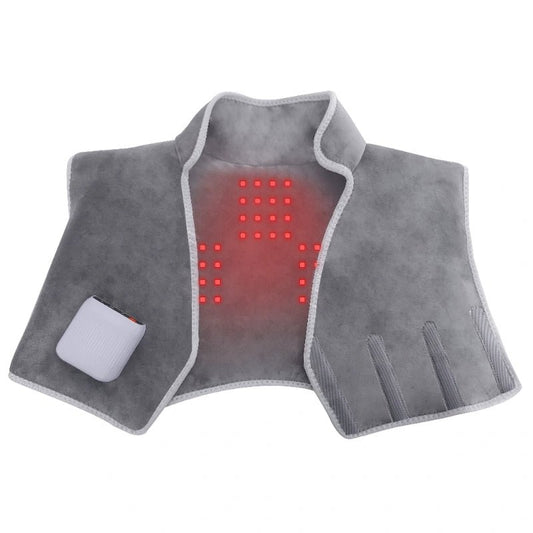
- Integrated Wearable Contact Heads: For curved body areas like the cervical spine—where sticky pads peel off easily and dangling wires get in the way—modern devices build the electrodes directly into an ergonomic collar. For example, the ECOZY HXR-E012 massage neck massager houses a 1400mAh rechargeable battery, constant-temperature heating, and 360° floating conductive massage heads inside a lightweight 190g frame, maintaining smooth, slip-free contact around the neck without external cords or disposable gel pads.
What Does TENS Feel Like?
First-time users often worry that an electrical pulse will feel like a static shock. In a well-calibrated TENS unit, that is not the case—stimulation should never hurt.
At normal working levels, TENS feels like a gentle tingling, humming, or rhythmic tapping sensation right beneath the contact surface. Many modern personal care devices also program their pulse waveforms to mimic familiar hands-on massage rhythms—such as gentle kneading, scraping, or acupressure tapping—and pair the pulses with a warm compress so the skin relaxes immediately on contact.
Because skin resistance and sensitivity vary from person to person, the golden rule is to start at Level 1 and increase the intensity one step at a time. The ideal setting feels distinct, steady, and soothing. If the pulse ever feels prickly or sharp, or causes involuntary muscle clamping, simply step the intensity down.
What Is TENS Commonly Used For?
People turn to TENS primarily as a convenient, drug-free way to unwind stiff areas—like a tight neck after hours at a laptop, lower-back fatigue during travel, or post-workout soreness—as well as for day-to-day support alongside physical therapy.
To get the most out of the technology, both everyday users and product buyers should keep its practical boundaries in mind:
- Personal Response Varies: Many users feel noticeable relaxation during a 10- to 15-minute session, while others respond more subtly depending on the source of their discomfort.
- Clinical Evidence Has Limits: TENS is a supportive comfort tool, not a universal medical fix. For instance, a major Cochrane overview on TENS for chronic pain noted that because many clinical studies involve small sample sizes and varied testing setups, researchers cannot guarantee consistent clinical pain relief across every chronic condition.
- Comfort Management, Not a Cure: TENS eases the sensation of tension and discomfort, but it does not repair underlying structural injuries or replace medical care.
What the "TENS" Label Alone Cannot Tell You
When comparing wellness devices on a retail shelf or in a supplier catalog, seeing "TENS" on the spec sheet only tells you that the product uses low-voltage nerve stimulation. It does not tell you how refined the user experience will actually be.
In real hardware manufacturing, two devices carrying the same TENS label can feel completely different on the body:
- Waveform Smoothness and Intensity Steps: Entry-level circuits often have abrupt power jumps between levels, turning a mild tingle into a sudden sting. Quality engineering uses finely tuned intensity steps and stable pulse modulation so transitions feel seamless.
- Electrode Contact Design: If an electrode pad or metal contact head loses flush contact with the skin, the electrical current concentrates into a tiny spot and feels uncomfortable. That is why features like 360° omnidirectional floating heads on wearable neck devices matter—they pivot with the user's posture to keep skin contact even.
- Multi-Modal Pairing: Cold metal electrodes can feel startling against bare skin. Pairing TENS pulses with constant-temperature heat softens that initial contact and creates a much more inviting relaxation session.
Basic TENS Safety Precautions
Because TENS sends mild electrical currents through the body, every legitimate device comes with straightforward safety rules. Standard clinical precautions from the NHS and the Cleveland Clinic cover a few essential boundaries:
- Check with a Doctor First When Appropriate: Anyone with a pacemaker or implanted medical device, heart rhythm conditions, or epilepsy, as well as anyone who is pregnant, should consult a healthcare professional before using electrical stimulation.
- Use Only on Healthy, Intact Skin: Never place electrodes over open cuts, rashes, swollen tissue, or areas with reduced skin sensation.
- Respect Placement Zones: Classic adhesive pads should never be placed on the temples, over the eyes or mouth, across the front or sides of the throat, or simultaneously on the chest and upper back. Purpose-built cervical devices are engineered specifically to rest against the back of the neck rather than the throat.
- Keep Away from Water and Driving: Never operate a TENS device in the shower or bath, while sleeping, or while driving or handling machinery.
TENS and EMS Are Not the Same Thing
In wellness catalogs, TENS is frequently grouped together with EMS (electrical muscle stimulation). Although both technologies deliver low-voltage pulses through surface electrodes, the core difference between EMS and TENS stimulation comes down to what they target: TENS stimulates sensory nerves to soothe discomfort and help the body relax, whereas EMS targets motor nerves to trigger active muscle contractions for toning and conditioning.
Understanding TENS Claims in Wellness and Recovery Hardware
Understanding how TENS works makes it easy to see why the technology remains a staple in personal care: it offers a compact, non-invasive way to deliver targeted sensory comfort without pills or bulky machinery. At the same time, a TENS device is only as good as the hardware delivering the pulse. Smooth current regulation, dependable skin contact, and thoughtful ergonomics are what turn a basic electrical pulse into a product people actually enjoy using every day.
At ECOZY, we bring years of specialized R&D and OEM/ODM manufacturing experience to personal massage and recovery hardware—translating proven technologies like low-frequency pulse stimulation and thermal therapy into reliable, consumer-ready products. Our HXR-E012 Massage Neck Massager, for example, pairs multi-mode TENS pulse therapy with constant-temperature heat and 360° floating contact heads in a travel-friendly 190g design built for office workers and commuters. Whether you are looking to customize existing recovery models or develop a new product line backed by in-house engineering and strict quality control, our team is ready to help—reach out anytime through the ECOZY contact page to discuss your project.
 |
 |