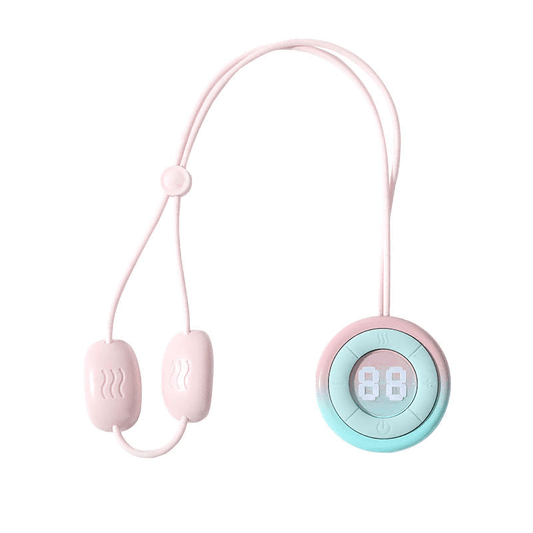
Shipping Massagers Globally? Why UN38.3 and MSDS are Your Most Important Documents.
Introduction: The Hidden Barrier in Global Trade
Many distributors and brand owners encounter the same frustrating scenario:
You’ve found the perfect massage device supplier. The product quality is excellent. Pricing is competitive. Everything is ready for shipment.
Then suddenly—your cargo is stopped at customs or rejected by airlines.
The reason?
Battery compliance issues.
Lithium-ion batteries, widely used in modern massage devices, are classified as dangerous goods under international transport regulations such as those from the International Air Transport Association (IATA).
To legally and safely ship these products worldwide, two critical documents are required:
- UN38.3 Test Report
- MSDS (Material Safety Data Sheet)
Think of them as the “passport for power”—without them, your products simply cannot move across borders.
What is UN38.3? The Ultimate Battery Stress Test
Definition
UN38.3 refers to Section 38.3 of the United Nations Manual of Tests and Criteria.
It is a mandatory safety standard that ensures lithium batteries can withstand extreme conditions during transportation without causing fire, explosion, or failure.
Why It Matters
During shipping, batteries may experience:
- Pressure changes (air transport)
- Temperature fluctuations
- Mechanical shocks and vibrations
Without proper testing, these conditions can trigger a dangerous phenomenon known as:
Thermal Runaway
This occurs when a battery overheats uncontrollably, potentially leading to fire or explosion.
The 8 Critical Tests
To pass UN38.3, batteries must survive a series of rigorous tests, including:
1. Altitude Simulation
Simulates air transport conditions at high altitude with low pressure.
2. Thermal Test
Exposes the battery to extreme hot and cold temperature cycles.
3. Vibration Test
Simulates long-distance transportation via trucks or ships.
4. Shock Test
Tests resistance to sudden impacts.
5. External Short Circuit
Ensures the battery does not catch fire when shorted.
6. Impact / Crush Test
Simulates mechanical damage.
7. Overcharge Test
Prevents battery instability under excessive charging.
8. Forced Discharge
Ensures safety under abnormal discharge conditions.
Key Takeaway
If a battery passes UN38.3:
It is proven safe for global transportation—even under extreme conditions.
What is MSDS? The Chemical Safety Blueprint
If UN38.3 is the “physical endurance test”, then MSDS is the “chemical identity report.”
Definition
MSDS (Material Safety Data Sheet) provides detailed information about:
- Chemical composition
- Hazard identification
- Handling and storage guidelines
- Emergency response procedures
Why Logistics Providers Require It
Customs, freight forwarders, and warehouses rely on MSDS to:
- Classify the cargo correctly
- Determine storage conditions
- Handle potential risks safely
Without an MSDS:
- Cargo may be rejected
- Additional inspections may be required
- High Hazmat (hazardous material) fees may apply
Case Study: Why A090 Relies on UN38.3 and MSDS
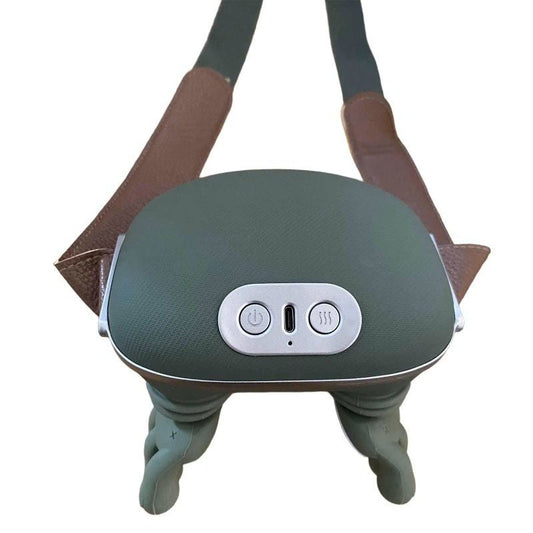
The Product: A090 Wearable Heat Therapy Device
The A090 abdominal heat patch is a compact, wearable recovery device designed for:
- Infrared heat therapy
- Vibration massage
- Daily comfort and wellness
The Dual Risk Factor
Unlike standard electronic products, A090 combines:
- Lithium battery power
- Active heat generation (far infrared therapy)
This creates a dual safety challenge:
- Internal battery stability
- External thermal output during use
How Certification Ensures Safety
By passing UN38.3 testing, the battery inside A090 has proven that:
- It remains stable under temperature fluctuations
- It does not enter thermal runaway
- It can safely endure pressure changes during air transport
|
|
![]() |
Real-World Implication
A battery that survives extreme transport conditions
Is even more reliable during everyday use on the human body
This is critical for wearable devices.
For end users, it means:
- Safe skin contact
- Stable heating performance
- Reduced risk of overheating
For B2B buyers, it means:
- Fewer returns and complaints
- Stronger brand trust
- Compliance with global safety standards
A Fleet of Certified Reliability: Ecozy Product Ecosystem
The A090 is not an isolated case.
Ecozy has built a fully compliant product portfolio, with multiple devices meeting:
- UN38.3 certification
- MSDS documentation requirements
Product Categories Include:
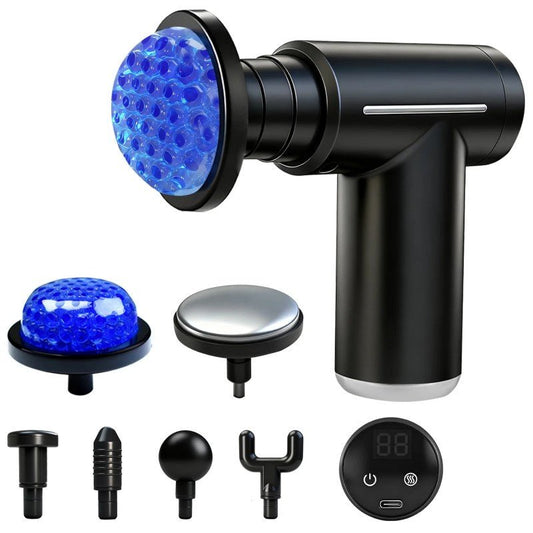
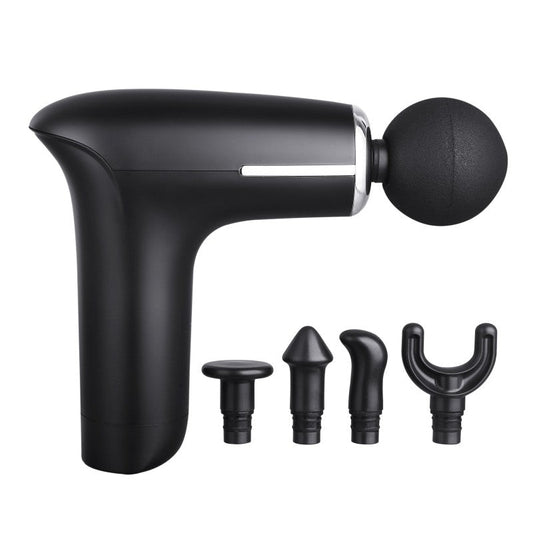
Hot & Cold Massage Guns
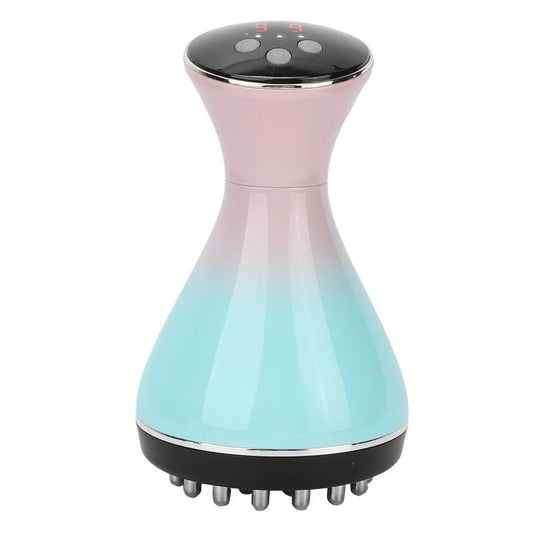
Targeted Therapy Devices
Why This Matters for Distributors
Working with a manufacturer that provides full certification coverage means:
- Smooth customs clearance
- Faster shipping timelines
- Compatibility with Amazon FBA requirements
- Reduced compliance risks
The Real Business Value: Beyond Compliance
Many buyers see UN38.3 and MSDS as “just documents.”
In reality, they directly impact your profitability.
1. Avoid Shipment Delays
Missing documentation can result in:
- Cargo detention
- Rejection by airlines
- Re-routing costs
2. Reduce Hazmat Fees
Proper classification using MSDS can:
- Prevent unnecessary hazardous material charges
- Optimize logistics cost
3. Enable Scalable Distribution
With compliant products, you can:
- Expand into regulated markets (US, EU)
- Work with major logistics providers
- Enter platforms like Amazon FBA
Conclusion: Safety Certification Is a Competitive Advantage
UN38.3 and MSDS are not just regulatory requirements.
They are:
A guarantee of product safety
A key to global logistics efficiency
A foundation for brand credibility
For products like the A090 wearable heat therapy device, these certifications are even more critical due to their close contact with the human body.
Planning your next shipment of battery-powered massage devices?
Ecozy provides:
- Full UN38.3 test reports
- Complete MSDS documentation
- Global compliance support
- OEM/ODM customization
Contact us to ensure your products move safely and smoothly across borders.


