







Какая компания производит лучшие массажные пистолеты?
За последние несколько лет мировой рынок массажных пистолетов стремительно вырос. То, что когда-то было нишевым инструментом восстановления для профессиональных спортсменов, теперь широко используется в фитнес-центрах, реабилитационных клиниках, оздоровительных центрах и для восстановления в домашних условиях.
При таком обилии брендов у покупателей и дистрибьюторов постоянно возникает один и тот же вопрос:
Какая компания на самом деле производит лучший массажный пистолет?
С точки зрения производителя, ответ выходит далеко за рамки брендинга или маркетинга. Реальное различие заключается в инженерных возможностях, стабильности производства и долгосрочной надежности продукции.
В этой статье мы подробно разберем, что действительно определяет высокое качество массажного пистолета, и как выбрать подходящего производителя для вашего бизнеса.
«Лучший» массажный пистолет : что это на самом деле означает?
|
Для конечных пользователей «лучший» часто означает высокую мощность, низкий уровень шума или элегантный дизайн. Для покупателей, дистрибьюторов и владельцев брендов в сегменте B2B определение более сложное. Высококачественный массажный пистолет должен обеспечивать баланс в пяти основных областях:
Компания, которая преуспевает во всех пяти областях, а не только в одной, с гораздо большей вероятностью сможет обеспечить стабильное качество в больших масштабах. |

|
Технология двигателя: сердце каждого массажного пистолета
В основе каждого массажного пистолета лежит его моторная система. Именно здесь проявляются реальные различия в качестве.
Производители профессионального уровня специализируются на:
- Бесщеточные двигатели для увеличения срока службы и более стабильной работы.
- Стабильная подача крутящего момента как на низких, так и на высоких скоростях.
- Регулирование тепловыделения при длительном использовании
Некачественная конструкция двигателя приводит к распространенным проблемам, таким как падение мощности, чрезмерный шум или преждевременный выход из строя — проблемам, которые быстро наносят ущерб репутации бренда на конкурентных рынках.
С точки зрения производства, испытания двигателей, моделирование нагрузок и проверка жизненного цикла являются обязательными этапами для создания надежного устройства.
Шумоподавление — это производственный навык, а не просто функция.
Низкий уровень шума — одна из самых востребованных функций, но и одна из самых сложных в реализации.
Снижение уровня шума достигается не за счет маркетинговых заявлений. Оно достигается благодаря:
- Точная центровка двигателя
- Внутреннее структурное демпфирование
- Выбор материалов для корпуса
- Контроль допусков при сборке
Компании, имеющие собственные научно-исследовательские и инженерные подразделения, гораздо лучше подготовлены к оптимизации этих факторов, чем торговые компании или сборочные предприятия.
Дизайн продукции: больше, чем просто внешний вид.
Массажный пистолет должен работать в гармонии с человеческим телом, а не против него.
При проектировании качественных изделий учитываются следующие факторы:
- Распределение веса для снижения нагрузки на запястье
- Устранение углов для труднодоступных мест
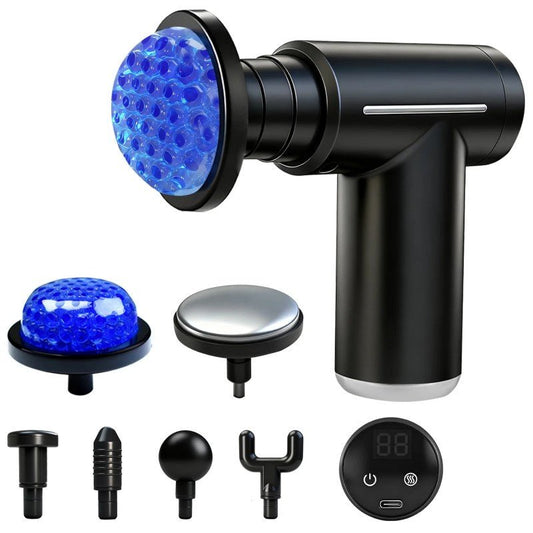
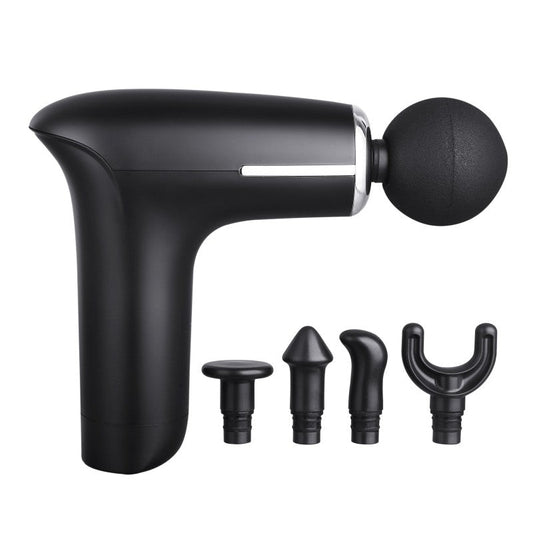
- Сменные насадки для разных групп мышц.
С точки зрения B2B, производители, предлагающие индивидуальную настройку дизайна на уровне ODM, предоставляют значительное преимущество. Это позволяет брендам создавать дифференцированные продукты, а не конкурировать только по цене.
Сертификаты имеют значение, особенно для глобальных рынков.
Компания, производящая «лучший» массажный пистолет, должна соответствовать международным стандартам.
К общим требованиям относятся:
- CE (Европа)
- Федеральная комиссия связи (Северная Америка)
- RoHS
- Сертификаты безопасности батарей
Производители, имеющие опыт экспорта в Европу, Северную Америку и Азию, уже понимают эти нормативные требования, что снижает риски для владельцев брендов и дистрибьюторов.
Масштаб производства и контроль качества
Одна из самых больших ошибок, которые допускают покупатели, — это выбор поставщика, основываясь только на образцах.
Надежный производитель массажных пистолетов должен продемонстрировать:
- Стабильные возможности массового производства
- Стабильное качество во всех партиях.
- Четкие процедуры контроля качества
- Долгосрочная надежность поставок
Проведение заводских проверок, оценка производственных мощностей и систем контроля качества зачастую имеют большее значение, чем краткосрочное ценообразование.

Инновации и интеграция технологий
Категория массажных пистолетов быстро развивается. Передовые производители теперь интегрируют в свою продукцию следующие функции:
- Модули для горячей и холодной терапии
- Терапия красным светом
- Интеллектуальные системы управления
- Сменные функциональные головки
Эти инновации требуют реальных инвестиций в НИОКР, а не просто в закупку компонентов. Компании, владеющие патентами и разрабатывающие основные технологии собственными силами, как правило, занимают лидирующие позиции на рынке в долгосрочной перспективе.
Итак, какая компания производит лучшие массажные пистолеты?
Не существует единого «лучшего» бренда для всех, но есть производители, которые неизменно соответствуют профессиональным стандартам.
С точки зрения отрасли, лучшими производителями массажных пистолетов являются те, которые:
- Объедините проектирование, разработку и производство под одной крышей.
- Поддержка партнерских отношений с OEM и ODM компаниями.
- Инвестируйте в инновации в продукции и сертификацию.
- Обеспечивать стабильное качество в больших масштабах.
Для брендов, дистрибьюторов и специалистов в области оздоровления выбор подходящего производителя — это не вопрос следования трендам, а вопрос создания долговечных продуктов.
Заключительные мысли
Рынок массажных пистолетов продолжит расти, но конкуренция также усилится. Успеха добьются те бренды, которые будут опираться на надежных партнеров-производителей, а не только на привлекательный дизайн.
Понимание того, как проектируются, тестируются и производятся массажные пистолеты , дает покупателям явное преимущество при выборе долгосрочных поставщиков.
При оценке производителей обращайте внимание не только на внешние характеристики, но и на то, что действительно определяет качество продукции.