






Contrast Therapy Explained: Science, Benefits, and Advanced Recovery Technology
Introduction: The Empirical Evolution from Competitive Sports to Public Rehabilitation
Contrast therapy has evolved from a behind-the-scenes intervention in professional competitive sports to a standard protocol in public rehabilitation and sports medicine. Data published in the 2024 issue of Scientific Reports established the objective boundaries of this therapy: research indicates that hot and cold cycling exhibits significant acute physiological feedback in "instant explosive power recovery," but does not show structural variation in "long-term interventions" aimed at altering basal muscle strength. This fact clarifies the core positioning of contrast therapy—accelerating metabolism and intervening in nerve conduction, rather than remodeling muscle fibers. [1]
What Happens: Deconstructing the Underlying Physiological Mechanisms of Contrast Therapy
Contrast Therapy is essentially a combination and extension of Heat Therapy and Cold Therapy. Simply put, while heat and cold therapies are two separate single-temperature stimuli, Contrast Therapy involves using both alternately
The essence of temperature stimulation lies in altering the thermodynamic state of the microvascular network. Research published in the Journal of Athletic Training (2018) utilized near-infrared spectroscopy (NIRS) to objectively monitor contrast baths. The study tracked how these temperature interventions affect intramuscular hemodynamics and tissue oxygenation, providing empirical visual evidence for the physiological feedback generated during contrast therapy. [2]
Mechanism Breakdown: The Vascular Pump Effect
When local tissue is exposed to a low-temperature environment, the sympathetic nervous system is activated, causing intense peripheral vasoconstriction, which reduces tissue fluid exudation and limits the initial inflammatory response. The subsequent heat stimulus induces vasodilation, triggering a hyperemic effect. This artificially induced "constriction-dilation" cycle creates what is known as the Vascular Pump Effect. This mechanism is observed to facilitate the venous return of local lactic acid and metabolic waste. In clinical observations focusing on how to Reduce muscle inflammation naturally, the vascular pump effect suggests a potential to help decrease the local accumulation concentration of inflammatory cytokines in the affected area. [2]

Clinical Evidence: Application Data in Physical Recovery and Sports Medicine
Acute Recovery and Biochemical Markers
During tournament intervals or after high-intensity training, rapid physiological recovery is crucial. A 2026 study in the journal Sports evaluated collegiate swimmers following high-intensity interval swimming. The research observed that the application of contrast water therapy supported physiological and perceptual recovery, aiding athletes in managing subjective fatigue during rigorous training cycles. [3]
Periodic Intervention for DOMS
Regarding Delayed Onset Muscle Soreness (DOMS) and structural fatigue, a systematic review and meta-analysis published in The Journal of Strength & Conditioning Research (2013) evaluated the impact of contrast water therapy. The findings synthesized existing literature on exercise-induced muscle damage (EIMD), indicating contrast therapy's potential as a supportive measure in managing muscle soreness post-exercise. When formulating modern Sports injury physical therapy protocols, physical temperature intervention during the DOMS phase is prioritized over simple static rest as a supportive measure. [4]
Chronic Pain Management: The Clinical Value of Non-Pharmacological Interventions
Feasibility of Alternative Therapies
While extreme temperature therapies require professional assessment, controlled water-based interventions are increasingly explored for chronic conditions. A 2025 prospective observational study in the International Journal of Biometeorology investigated balneotherapy (therapeutic bathing). The research observed its effectiveness in addressing pain, walking capabilities, and physical function in patients with diabetic neuropathy, illustrating the expanding clinical boundaries of hydrotherapy and temperature interventions. When evaluating long-term Non-pharmacological pain management strategies, contrast therapy demonstrates high clinical application value due to its low addiction potential and high safety profile. [5]
Equipment Evolution and Application Boundaries: Traditional Water Immersion vs. Modern Physical Rehabilitation Equipment
Official Safety Warnings
Although contrast therapy offers physiological benefits, its application is not without boundaries. For "subacute edema," the effectiveness of simple weightless water immersion is limited. Furthermore, patients with severe diabetic neuropathy, peripheral vascular disease, or cardiovascular insufficiency have contraindications for using contrast therapy equipment without prior medical evaluation. [5]
Structured Comparison of Rehabilitation Equipment Technology Paths
With technological evolution, interventions have shifted from traditional full-body water immersion to precise and controllable modern rehabilitation equipment. Below is an objective comparison of various technological paths:
| Technology Path Classification | Temperature Control Precision & Switching Efficiency | Local Compression Function | Applicable Scenarios & Intervention Goals | Compliance & Application Standards |
|---|---|---|---|---|
| Traditional Water Immersion | Low; depends on water volume, fast temperature decay, requires body movement to switch. | None; only basic hydrostatic pressure, cannot implement pulsating compression. | Full-body generalized fatigue recovery; non-acute post-match large-area muscle relaxation. | Requires regular water quality monitoring and disinfection, high maintenance cost. |
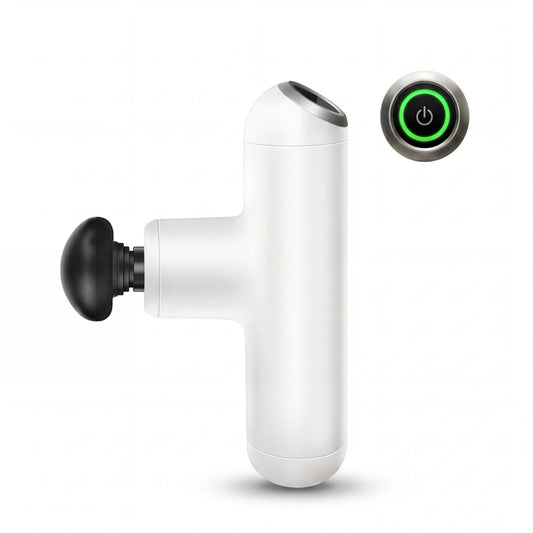
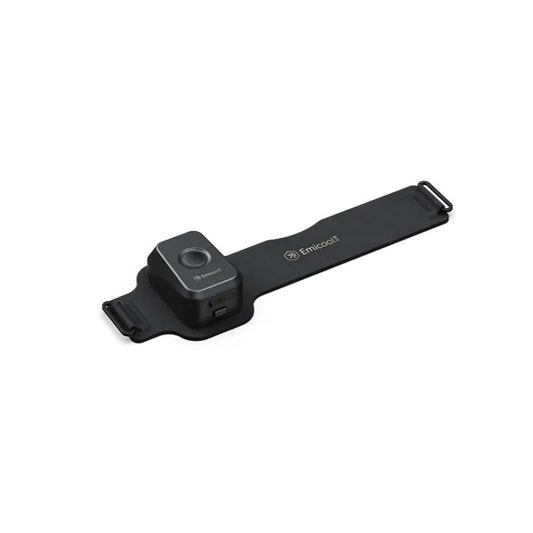
| Frontier Portable Tech: Wearable hot and cold therapy device | Medium-High; utilizes semiconductor conduction, achieves minute-level switching. | Weak to Medium; relies on physical straps for basic fit. | Flexible daily rehabilitation; suitable for immediate intervention during travel or events. | Must meet basic electrical safety certifications for consumer medical devices. |
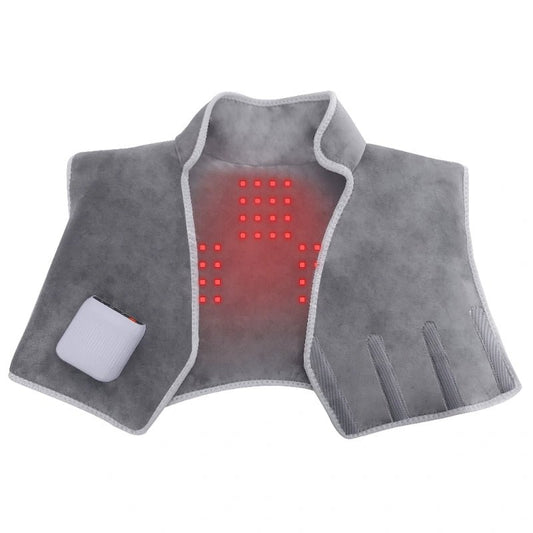
| Targeted Precision: Targeted heat therapy devices | High; designed for specific joint curves (e.g., knee/neck), deep heat penetration. | Optional; some integrate high-frequency micro-vibration or airbag squeezing. | Targeted management of local chronic pain (e.g., knee osteoarthritis, neck strain). | High ergonomic standards, mostly designed for specific anatomical structures. |
| Clinical & Advanced: Professional muscle recovery equipment | Extremely High; utilizes closed-loop liquid circulation, switching response <30 seconds. | Strong; integrates Intermittent Pneumatic Compression (IPC) synchronized with temperature. | Acute phase treatment of severe sports injuries; clinical edema intervention after orthopedic surgery. | Must meet FDA or Class II/III medical device certification standards. |

Conclusion: Establishing Scientific Rehabilitation Expectations
Contrast therapy is not a cure-all panacea. Its core physiological value lies in supporting instantaneous metabolic recovery and non-pharmacological anti-inflammation by inducing alternating vasoconstriction and vasodilation. In practical applications, scientific rehabilitation expectations must be established: dealing with acute swelling and severe post-operative tissue repair should rely on clinical-grade equipment with compression functions; whereas for daily chronic stiffness and post-exercise DOMS relief, precise local therapy equipment demonstrates excellent flexibility and effectiveness.
The Future of Physical Recovery: Integrated Technology Approaches
While contrast therapy acts as a powerful macroscopic approach to circulation regulation and swelling management, modern recovery science is moving toward more integrated technology solutions.
Advanced recovery systems increasingly combine thermal therapy with complementary modalities to address different layers of the recovery process. For example, pneumatic compression therapy can work alongside temperature-based treatments to support fluid movement and circulation efficiency, while photobiomodulation technologies provide another approach focused on cellular energy and tissue recovery.
Contrast therapy remains a fundamental strategy for managing circulation and inflammation, while future physical recovery solutions will continue to evolve through the combination of multiple evidence-based technologies.