







Heat Therapy for Muscle Recovery: What Heat Changes—and What It Doesn't
Applying heat to muscles alters the local tissue environment. When a heat source is placed on the skin, the resulting increase in temperature can affect local blood flow, tissue stiffness, and how pain signals are perceived.
While heat can temporarily improve comfort, managing the sensation of muscle soreness is not the same as accelerating actual tissue recovery. Recognizing this physiological distinction defines the practical role of heat therapy in any rehabilitation or athletic protocol.
What Heat Therapy Is and Where It Fits in Recovery
Heat therapy, or thermotherapy, involves introducing thermal energy to targeted tissues to provoke specific biological responses.
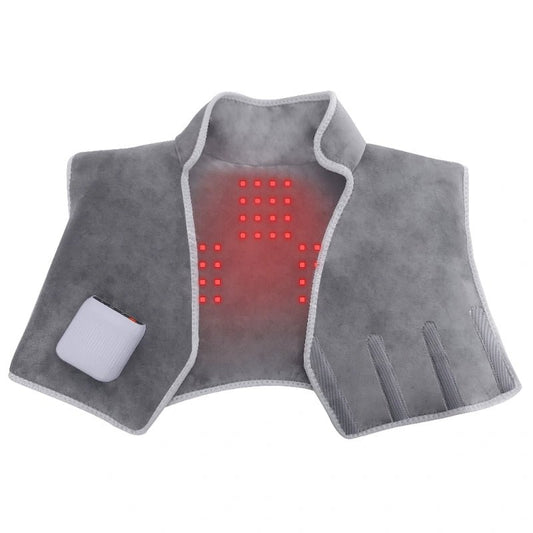
The resulting effects depend on the heating modality, temperature dose, and application duration. For instance, superficial heat packs and targeted hot and cold therapy systems deliver energy differently than whole-body passive heating protocols, leading to varying physiological outcomes. Within sports science and recovery, heat therapy functions primarily as an adjunctive method to manage subjective symptoms, rather than a primary driver of muscle repair.
What Happens When You Apply Heat to Sore or Stiff Muscles?
When thermal energy is applied to the skin, it triggers localized changes in the underlying tissue. The primary mechanisms relevant to recovery generally involve blood flow, tissue extensibility, and pain signaling.
- Local blood-flow response: As your tissue warms up, the local blood vessels expand. This process, known as vasodilation, increases blood flow specifically in the heated area. While heating a small muscle group won't give you the cardiovascular changes of a full-body sauna, local heating does alter the local environment by bringing more blood to the warmed tissue.
- Stiffness and tissue extensibility: If you have ever felt like your muscles are "locked up" after a long day, heat can help. Thermal energy influences the physical properties of your connective tissue and muscles. Warming up these tissues can reduce feelings of stiffness, making movement feel easier and more fluid.
- Pain perception: This is arguably heat’s most immediate benefit. Heat stimulates specific sensory receptors in your skin. These thermal signals essentially compete with pain signals traveling to your brain. By changing the sensory input, heat can temporarily turn down the volume on localized pain, which is why a hot pack provides such rapid, comforting relief.

Can Heat Therapy Help After Exercise?
When it comes to managing the lingering ache of delayed onset muscle soreness (DOMS), heat therapy serves a specific function.
If the goal is to manage the discomfort of DOMS, some evidence supports the use of superficial heat. A meta-analysis of 32 randomized trials observed reductions in perceived DOMS pain associated with certain heat-therapy protocols, particularly the use of hot packs.
However, the scientific evidence regarding post-exercise recovery remains highly variable depending on exactly when and how the heat is applied, and findings regarding passive heating vary across modalities.
What Heat Can—and Can’t—Do for Recovery
Because heat alters sensory perception, it is crucial to distinguish between feeling less sore and physically recovering faster.
Reduced pain does not equal accelerated physical healing.
Heat can be useful for improving subjective comfort, managing stiffness, and soothing aches. However, current research has not consistently shown that applying heat will physically repair damaged muscle fibers any faster. Furthermore, using a heat pack will not speed up the recovery of actual athletic strength, nor will it inherently improve sprint speed or jump performance the next day.
Understanding this boundary is vital. Heat therapy alters the local thermal environment, but it does not act as a shortcut for the biological timeline of tissue repair.
When Does Heat Make More Sense Than Cold?
Determining whether to apply heat or cold depends largely on the timing and the nature of the discomfort.
Cold therapy is frequently utilized during the acute phase of a physical strain or immediately following intense exercise to manage acute sensations and swelling. Conversely, heat is typically introduced after the acute window has passed, making it more applicable for managing lingering stiffness, chronic tension, and DOMS.
Rather than treating them as isolated options, some recovery protocols integrate both modalities through contrast therapy, applying alternating thermal stimuli to influence local vascular responses.
Using Heat Safely
Heat therapy is generally well-tolerated, but proper application requires an understanding of basic safety boundaries.
A frequent misconception is that higher temperatures yield better results. An international expert consensus on heat therapy clarifies that increasing the temperature does not automatically increase therapeutic benefit. Excessive heat increases the risk of thermal injury without providing additional physiological relief.
Superficial heat is meant for healthy, intact skin with normal sensory and circulatory function. It is generally avoided on fresh injuries exhibiting active inflammation or severe swelling, and should not be used when impaired nerve sensation prevents the accurate perception of temperature.
Conclusion
The current evidence indicates that heat therapy serves a specific and practical function: it alters the local thermal environment to help manage the perceived discomfort of delayed onset muscle soreness and muscle stiffness. When properly understood, heat is a tool for improving subjective comfort during the recovery process, rather than a mechanism for accelerating actual tissue repair.
By acknowledging these physiological boundaries, individuals can make more informed decisions about when and how to apply thermal stimuli. At ECOZY, our approach to hot and cold recovery technologies is informed by this distinction. We focus on integrating precise temperature controls into our designs, providing users with the tools to apply thermal modalities purposefully as part of a structured and evidence-based recovery strategy.